Signs and Symptoms of Hip Dysplasia in Dogs
Critical Markers of Hip Dysplasia in Dogs You Should Understand
Hip dysplasia in dogs represents a common ailment that can greatly impact their overall well-being. Important indicators often emerge gradually, making early detection essential. Symptoms like unwillingness to participate in exercise, noticeable limping, and changes in posture may suggest underlying issues. Recognizing these signs can help dog owners take proactive measures. But what other minor signs should be observed to guarantee a dog's well-being?
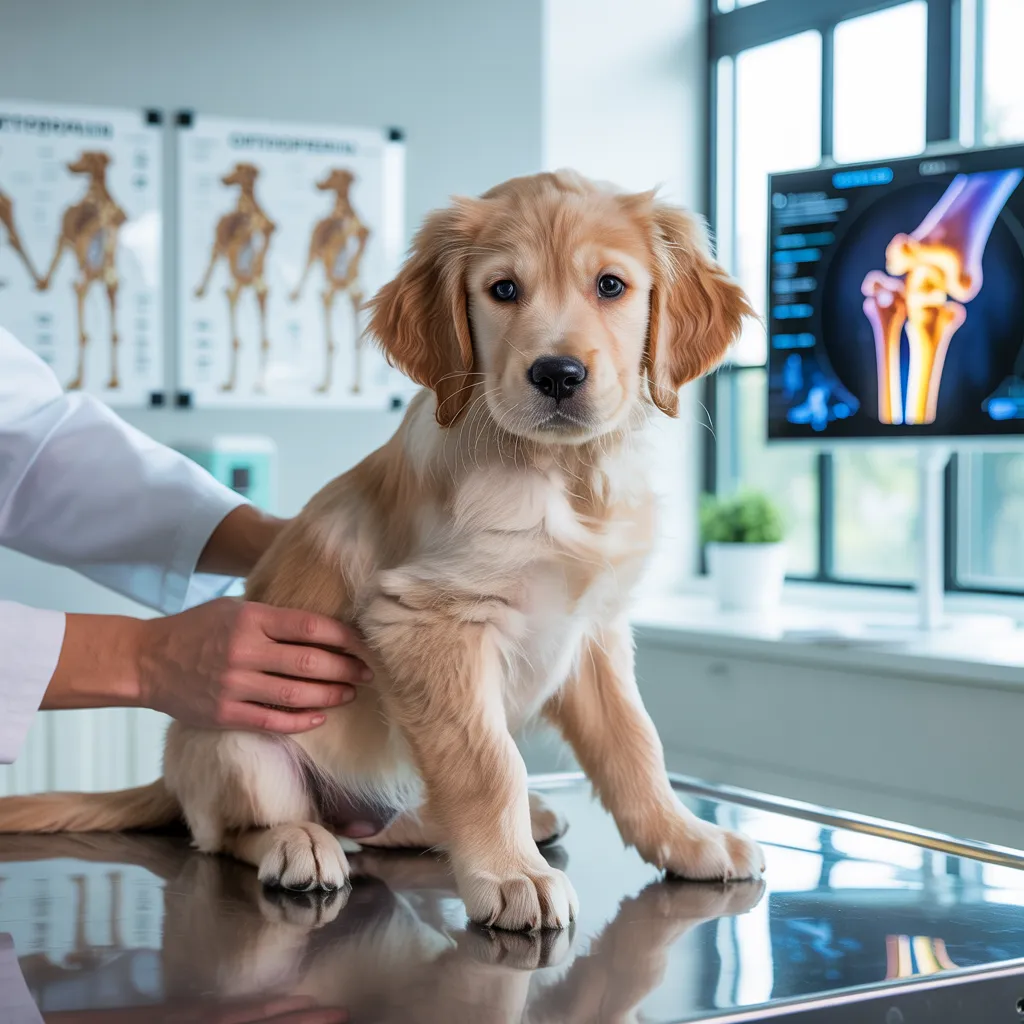
Identifying Early Symptoms of Hip Dysplasia in Dogs
Many dog owners may not realize that detecting early signs of hip dysplasia in dogs is crucial for proper care. This condition often begins subtly, making early detection vital. Common signs include a unwillingness to participate in exercise, such as running or going up stairs. Owners may notice their dogs exhibiting difficulty standing up after resting, or displaying unusual postures, like a "bunny hop" when running. Additionally, soreness or pain, particularly after periods of inactivity, can indicate underlying issues.
Moreover, alterations in behavioral patterns, such as increased agitation or avoidance of touch around the hip area, might suggest discomfort. Weight gain may also occur due to reduced activity levels, making the issue worse. Recognizing these early symptoms allows for timely veterinary consultations, helping appropriate interventions and management strategies. Early detection can greatly improve a dog's quality of life and overall well-being.
The Way Mobility Changes Highlight Hip Dysplasia
Alterations in mobility can function as important warning signs of hip dysplasia in dogs. Indicators such as limping or putting weight on one leg, combined with a visible reluctance to exercise, may point to deep-seated joint complications. Noticing these behaviors is important for timely discovery and management.
Limping or Preferring Leg
One of the first noticeable signs of hip dysplasia in dogs is limping or favoring one leg. This sign generally comes from pain or ache associated with the hip joint's instability. As the condition develops, the affected dog may show a distinct preference for one leg and alter its gait to reduce bearing weight on the affected hip. Observers could notice the dog pausing before jumping or running, or showing a clear limp during walks. These changes are vital indicators, encouraging owners to seek veterinary evaluation. Early recognition and intervention can improve a dog's quality of life considerably, making careful monitoring of mobility changes essential. Identifying these signs can lead to prompt diagnosis and successful management of hip dysplasia.
Unwillingness to Exercise
Unwillingness to participate in exercise serves as a significant marker of hip dysplasia in dogs. As the condition advances, impacted dogs often display reduced enthusiasm for walks, playtime, or other forms of physical activity. This aversion may result from discomfort or pain in the hip joints, which can cause altered mobility patterns. Owners may observe their pets hesitating before jumping, climbing stairs, or participating in activities they once preferred. Additionally, dogs may prefer to rest or lie down rather than engage in physical exertion. Identifying this reluctance is crucial, as it can suggest underlying joint issues. Monitoring changes in exercise habits can aid in early discovery, allowing for timely veterinary intervention and improved quality of life for the dog.
Spotting Observable Markers of Pain
Spotting behavioral indicators of discomfort in dogs with hip dysplasia is essential for timely treatment. A reduction in activity level, hesitation to jump, and heightened aggression or irritability can all indicate discomfort. Observing these alterations can help owners obtain proper veterinary care.
Changes In Movement Level
As a dog gets older or experiences discomfort, small adjustments in behavior often happen, indicating potential health issues like hip dysplasia. Owners may notice their pets becoming less eager to enjoy playtime or leisurely walks. Increased lethargy, reluctance to engage in favorite activities, or a general fall in energy can point to underlying pain. These adjustments may also appear as shortened play sessions or a choice for remaining at rest over active engagement. Moreover, dogs may adopt a more cautious style of movement, avoiding sudden bursts of energy. It is essential for pet owners to monitor these behavioral adjustments closely, as they can be important indicators of discomfort and potential hip dysplasia, calling for further veterinary evaluation.
Reluctance To Jump
Dogs often find jumping a natural and delightful activity, but a visible hesitation to leap can be a sign of underlying pain, notably in cases of hip dysplasia. They might avoid jumping onto furniture, climbing into cars, or during play, which indicates discomfort. This reluctance manifests as a shift in their usual enthusiasm, where they might settle for less taxing activities instead. Owners may see their pets standing still, looking longingly at a location they once jumped to effortlessly. In addition, dogs may show a more hesitant, cautious background information approach when they try to jump, often relying more on their front legs than their hind legs. Recognizing this behavioral change is crucial for detecting potential pain and obtaining suitable veterinary care.
Increased Agitation Or Hostility
Reluctance to participate in happy activities can lead to other behavior modifications in dogs, including increased irritability or aggression. When a dog feels pain from hip dysplasia, frustration may show as a quick temper. Simple interactions that were once enjoyable, such as playtime or petting, can become triggers for aggression. This change in behavior often derives from the dog's inability to communicate discomfort effectively, causing anxiety and edginess. Owners may observe their pets biting at family members or becoming overly territorial. Recognizing these indications is essential, as they show the dog may be suffering. Treating the underlying pain through veterinary consultation can assist in bringing back the dog's emotional health and improve behavior.
Notable Physical Signs of Hip Dysplasia to Watch For
Many dogs with hip dysplasia exhibit visible symptoms that can indicate pain and movement problems. One common indicator is a unwillingness to participate in exercise, such as running or jumping. Pet owners may observe their dogs hesitating to climb stairs or to jump into the car. Additionally, dogs with the condition often display a characteristic "bunny hop" gait, using both hind legs simultaneously, which can suggest discomfort or weakness in the hip joints.
Another physical indicator is reduced muscular development in the hindquarters, as dogs may refrain from using their back legs fully. Inflammation near the hip joints may also be visible, and some dogs may display limping or favoring one leg over the other. Owners should be attentive to these signs, as they can significantly affect a dog's quality of life and general health. Early recognition is crucial for effective management of the condition.
Why Frequent Veterinary Examinations Are Crucial for Diagnosis
Consistent veterinary check-ups are important for quick detection of hip dysplasia, as subtle signs often go unnoticed by pet owners. During these visits, vets conduct thorough physical examinations, monitoring for any irregularities in joint movement and overall mobility. They are able to identify early signs of hip dysplasia, like decreased range of motion or discomfort when the dog undergoes examination.
Additionally, veterinarians have access to advanced diagnostic tools like X-rays, which can reveal structural issues in the hips that are not noticeable during a routine check. Recognizing hip dysplasia early allows for prompt action, which can greatly improve a dog's quality of life. Frequent veterinary visits also give an opportunity for pet owners to discuss any shifts in behavior or bodily issues, ensuring that any likely complications are tackled without delay. In total, ongoing professional care plays a significant role in the prompt discovery and management of hip dysplasia in dogs.
The Importance of Body Mass in Hip Dysplasia Management
Managing weight has a key role in the general treatment and management of hip dysplasia in dogs. Extra weight places extra stress on the hip joints, aggravating pain and affecting mobility. Keeping a healthy weight can lessen this pressure, potentially boosting the dog's quality of life.
A well-rounded nutritional plan suited to the dog's age, size, and activity level is essential for effective weight control. Frequent exercise is also important, as it helps maintain muscle mass and joint function while promoting healthy weight loss. However, exercise should be carefully managed to avoid overexertion, especially in dogs already showing signs of hip dysplasia.
Pet owners are recommended to collaborate alongside veterinarians to establish proper weight objectives and establish a thorough management plan. By stressing weight control, owners can markedly enhance their dog's mobility and comfort, making a positive contribution to the overall care of hip dysplasia.
Beneficial Management Alternatives for Hip Dysplasia
Exploring effective therapeutic approaches for hip dysplasia is essential for improving a dog's quality of life. Veterinarians typically recommend a blend of non-surgical and surgical approaches customized to the dog's age, severity of the condition, and general health status. Non-invasive options include weight control, therapeutic exercise, and nutritional supplements like glucosamine and omega-3 fatty acids. These methods aim to reduce pain and enhance movement.
In more severe instances, surgery may be needed. Procedures such as femoral head osteotomy (FHO) or total hip replacement can deliver long-term relief and improve performance. Rehabilitation after surgery is crucial for recovery and requires controlled exercise and therapeutic treatment.
Canine owners should work closely with their vet to create a extensive care strategy, securing the best possible results for their dog. Quick management and consistent management can substantially increase the welfare of dogs affected by hip dysplasia.
Frequently Commonly Posed Questions
In What Ways Is Hip Dysplasia Diagnosed in Dogs?
Hip dysplasia in dogs is detected by using a blend of physical examinations, joint mobility assessments, and diagnostic imaging like X-rays. Veterinarians check the alignment of the hip joints to verify the condition.
Can Heredity Cause Hip Dysplasia?
Yes, hip dysplasia can be hereditary. Hereditary elements play a significant role in its formation, often affected by the breeding methods and lineage of the dog, particularly in prone breeds. Understanding is vital for conscientious breeding.
Which Breeds Are Most Likely to Develop Hip Dysplasia?
Certain dog types including German Shepherds, Golden Retrievers, Rottweilers, and Bulldogs have greater vulnerability to hip dysplasia. Genetic elements, working alongside rapid growth and weight, substantially contribute its development within these breeds.
Is it Possible to Prevent Hip Dysplasia in Puppies?
Hip dysplasia in puppies is not entirely preventable, but ethical breeding practices, keeping a proper weight, and offering adequate nutrition can greatly lower the chances. prompt treatment and regular veterinary care are also beneficial for general joint wellness.
How Does Age Influence Hip Dysplasia Severity?
Age substantially affects the extent of hip dysplasia, with older dogs often experiencing increased joint degeneration and pain. Younger dogs may present milder symptoms, but early intervention can help manage the condition effectively.